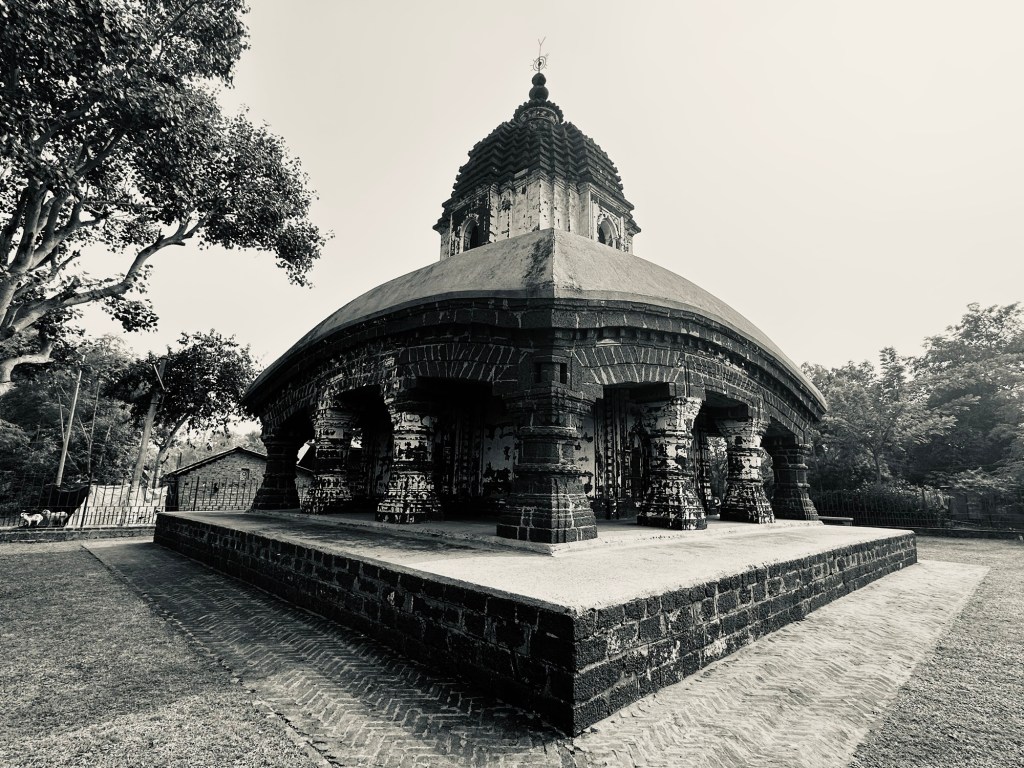
India will always surprise you with the treasure it hides within its glorious boundaries. I stumbled upon one such hidden gem when I visited Bishnupur, a small and sleepy hamlet in Bankura district of West Bengal which will awaken the spirits of a true traveller. I, with my daughter, travelled to Bishnupur from Kolkata via Chandannagar by road.
Famous for its terracotta and laterite stone temples, Bishnupur was built by Malla kings who ruled over part of present day Bengal and Jharkhand since 7th century till British rule in India. This section was earlier known as Mallabhum.
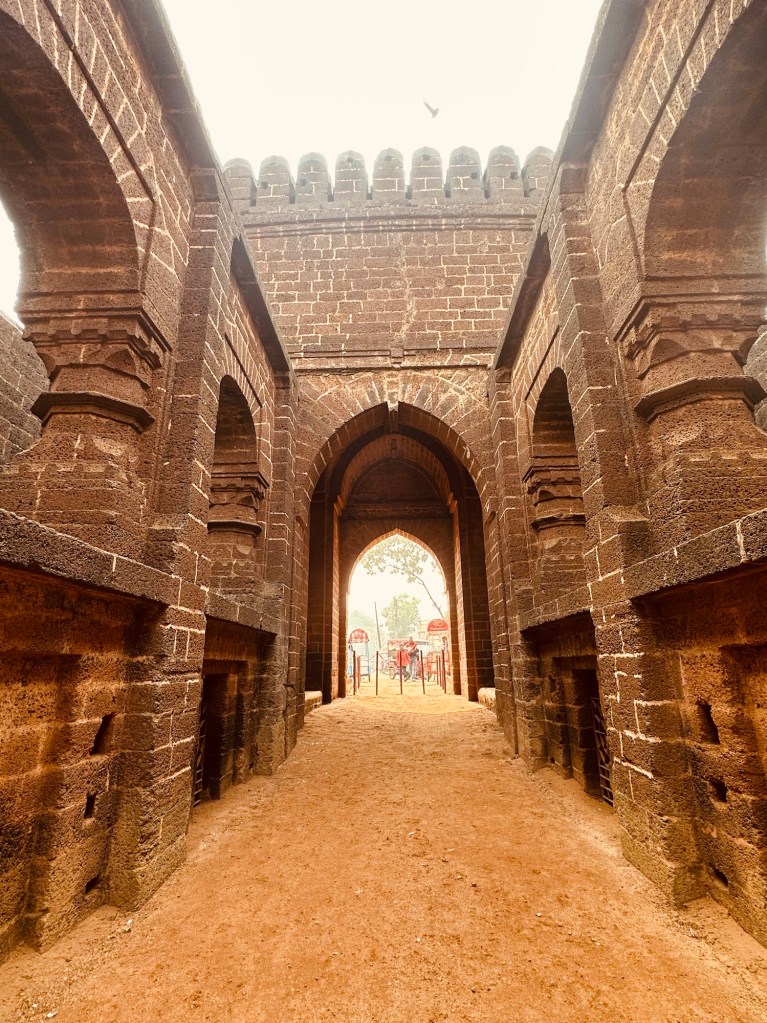
The place quietly and subtly adorns more than 20 beautiful temples, most of which belong to the Vaishnavites who worshipped Radha and Krishna. The labyrinth of lanes and by lanes was so puzzling that we got totally lost finding these temples. My driver had no clue about the place and google maps got confused. We kept swirling within the lanes and ended up only wasting our time. We somehow reached our first place in the itinerary called Rasmancha. It was a temple with a pyramidical roof.
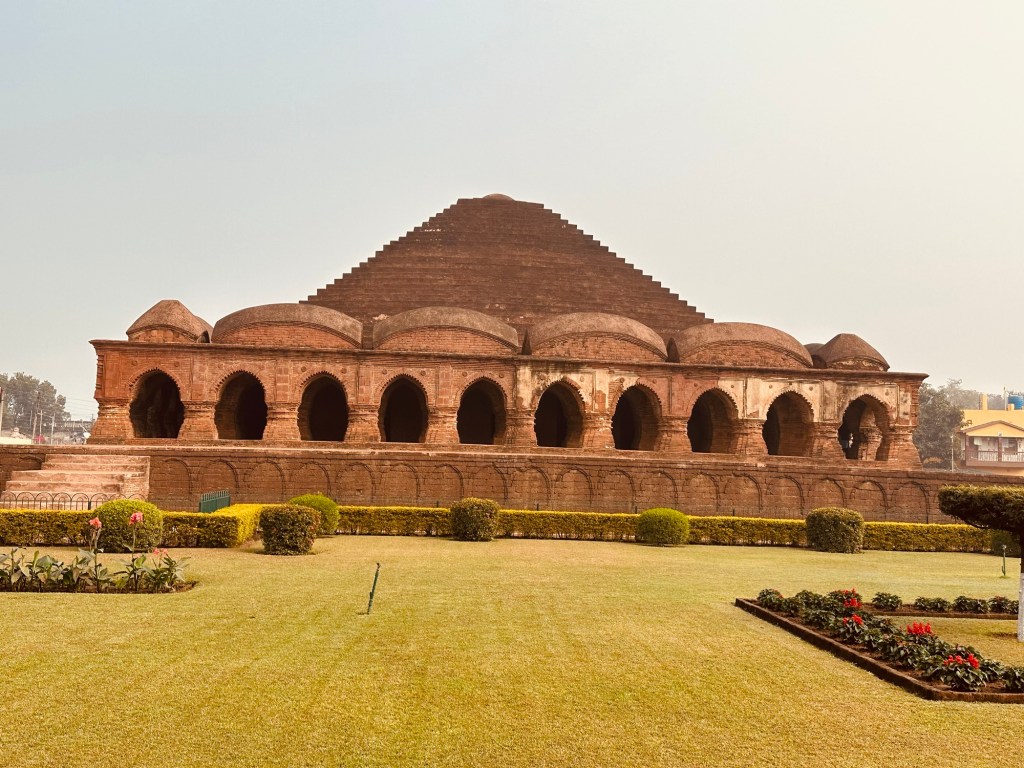
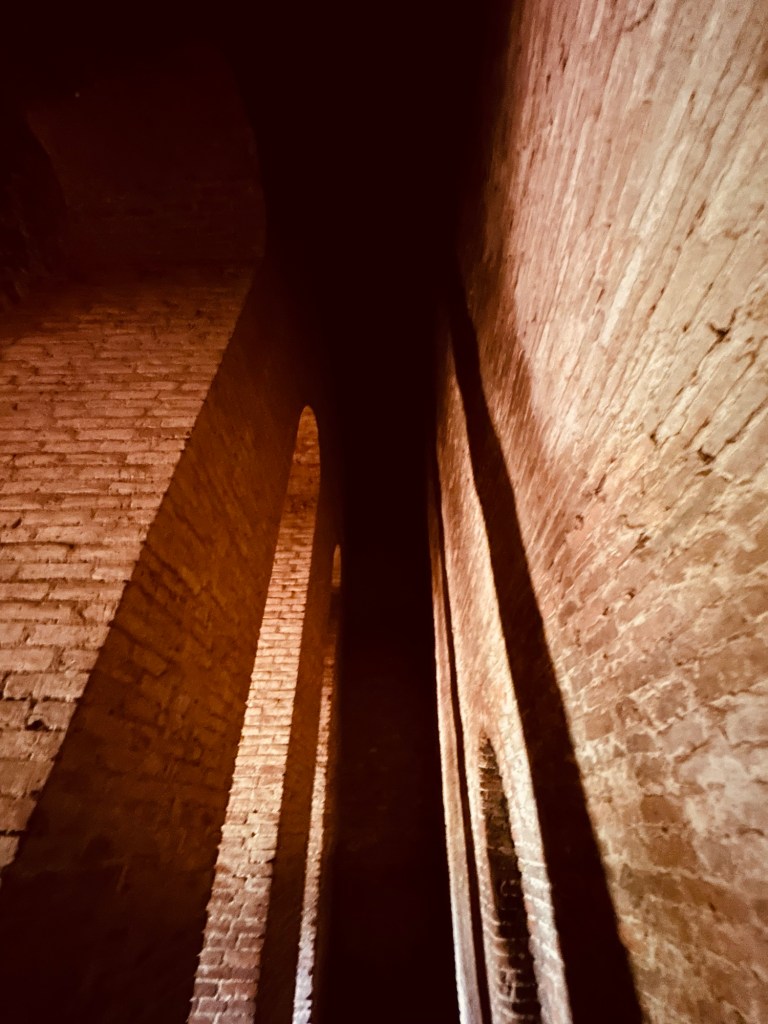
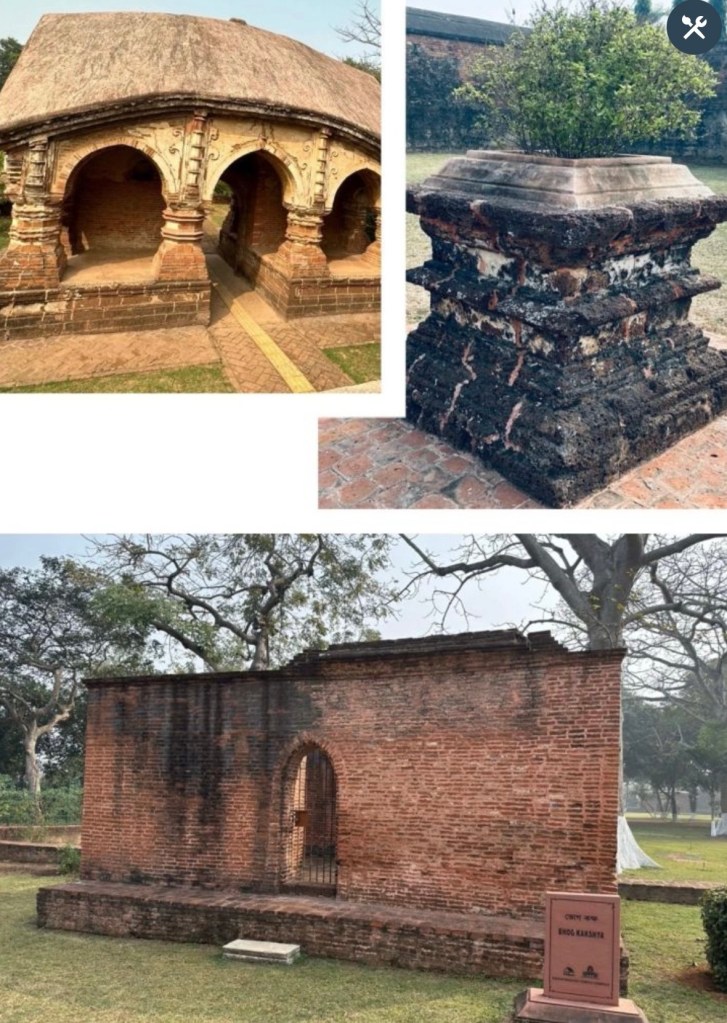
Rasmancha was built with laterite stones and bricks. A square building, with impressive galleries and tall pillars, it gave the impression of an Egyptian structure. The folklores say that the idols of Radha and Krishna from all the temples in the town were brought here during the annual Ras festival.
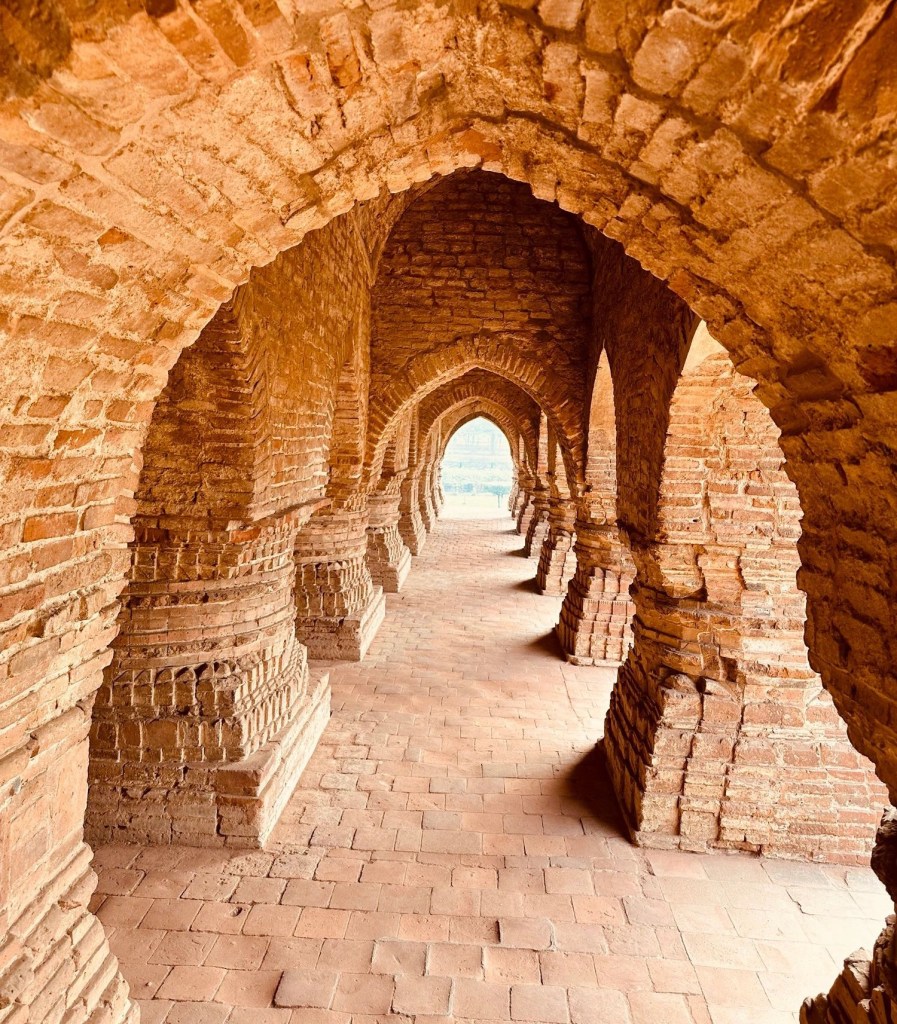
At Rasmancha, the ASI official gave us a printed sheet of paper with an elaborate list of temples around. The hassling ordeal we went though while reaching Rasmancha gave us jitters. Meanwhile, we were quite unaware of a clandestine glare of a man standing near the ASI ticket counter. He sensed our plight and approached us. The lean and short man, who was a resident of Bishnupur for many years, claimed to be a guide. We jumped at the opportunity and asked him to accompany us in our car. I didn’t dare negotiate the money with him, considering the time constraint, a long list to chase and a mesh of lanes where taking a mere U-turn would cost at least 15 minutes.
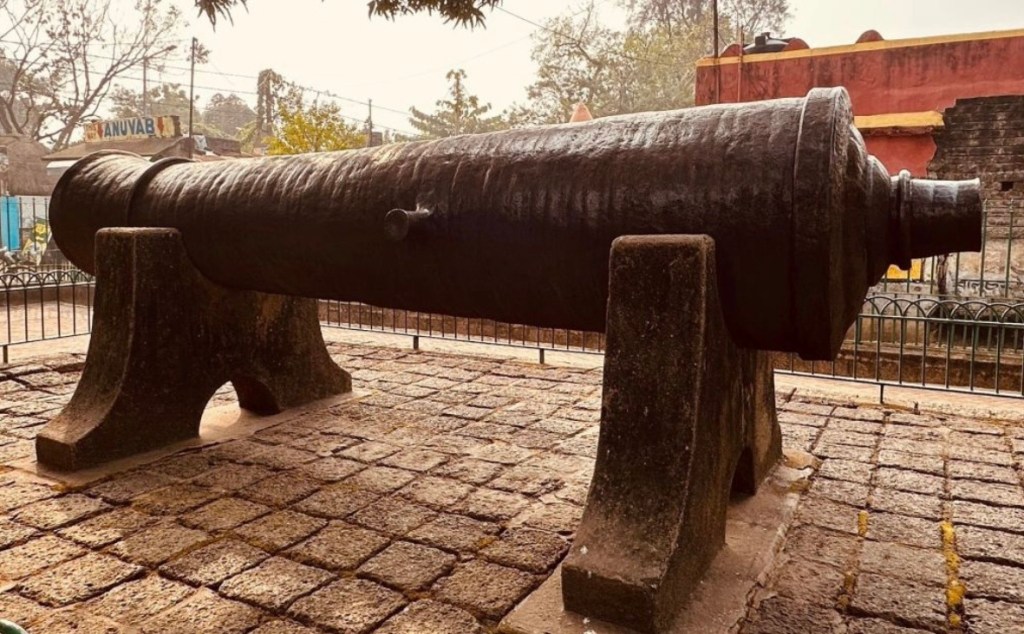
The guide then told us about two groups of temples in the town. One section had a cluster of laterite stone temples and the other had terracotta panel temples. Locally found laterite stones made the base platform of most of the temples which withstood the test of time over the centuries. The ornately carved terracotta temples had baked clapanels of terracotta tiles with intricate designs, figurines, and stories from the life of Krishna. They also depicted popular stories from Mahabharata and Ramayana.
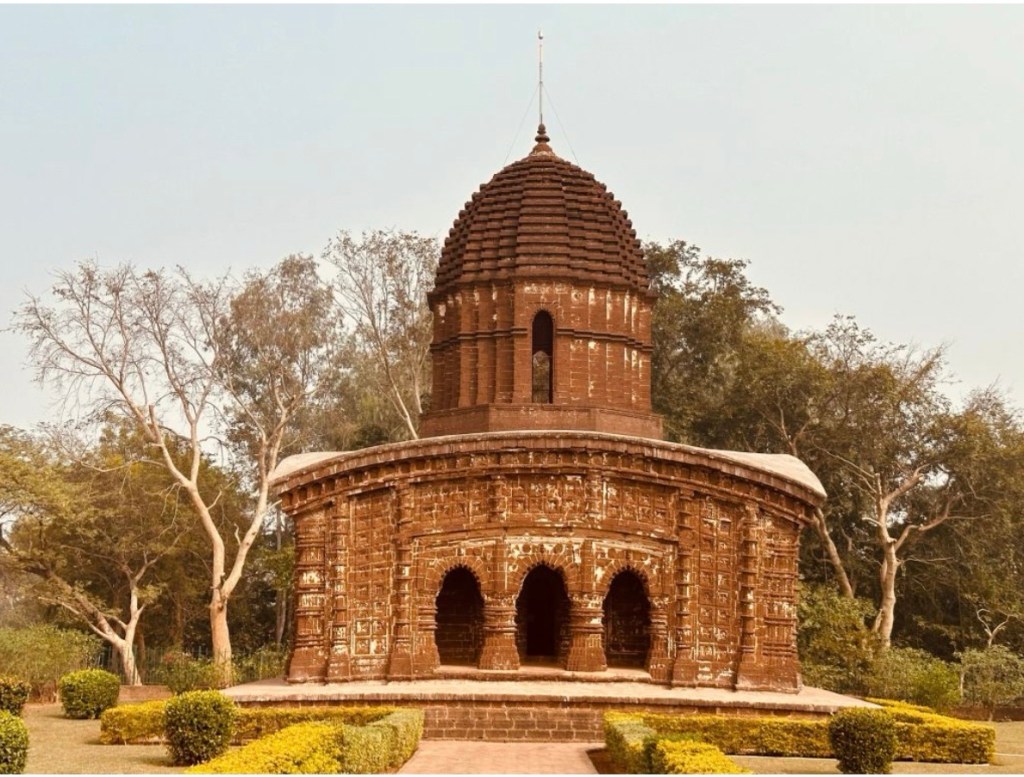
The most prominent temple of the cluster of laterite stone temples was ‘Jor Mandir’. This was a group of three ‘Eka Ratna’ temples, the temples with single spire or pinnacle. The temples in this complex had intricate stucco work with beautiful carvings and sculptures depicting Krishna’s life. Yet, it was quite disheartening to see massive deterioration and weathering, this artwork had suffered over the years.
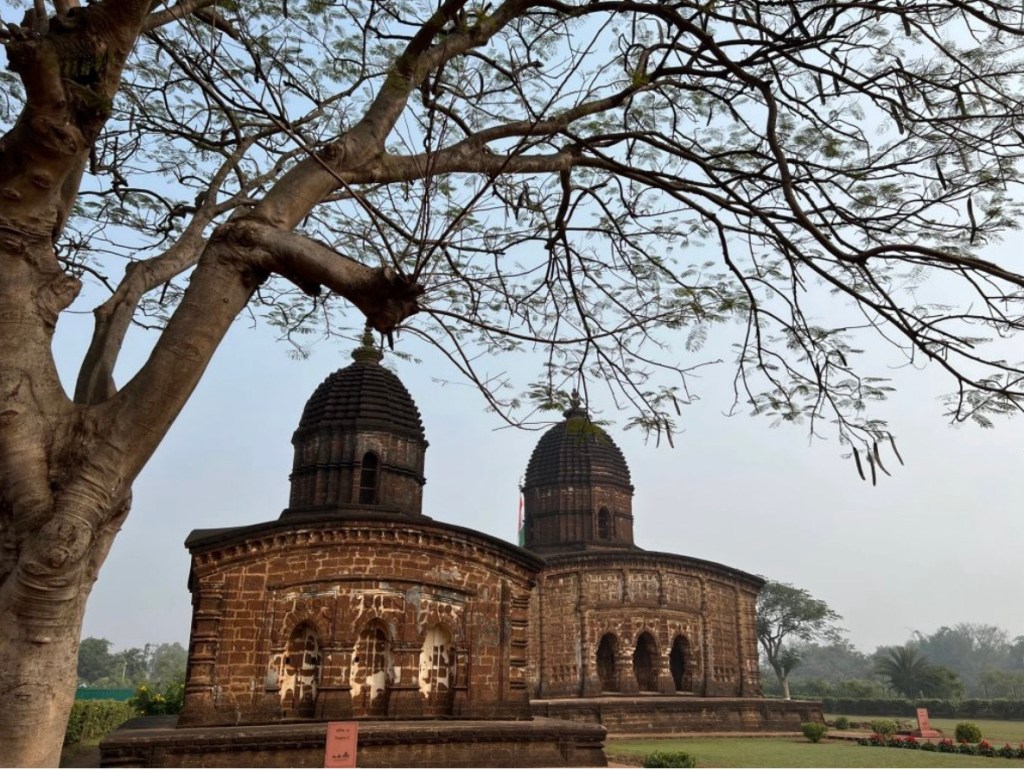
At first, you will find all the temples look similar with a typical hut like structure. Yet, as the day progresses, one would get soaked in the fascinating aura and subtle uniqueness of each temple. I savoured each and every moment that I spent in this mystical and enchanting place. Each structure carried an elegant melange of perfect craftsmanship and unparalleled creativity.
The architecture of Jor Bangla temple was somewhat different from the other temples in Bishnupur. Jor Mandir and Jor Bangla temple are two different temples at two opposite corners of the town. Jor Mandir is a laterite stone structure, on the other hand, Jor Bangla is a terracotta temple.
Jor Bangla had the flare of traditional pitched- roofed style of construction of Bengal. I could see one of the finest and very detailed carvings on the walls of this temple.
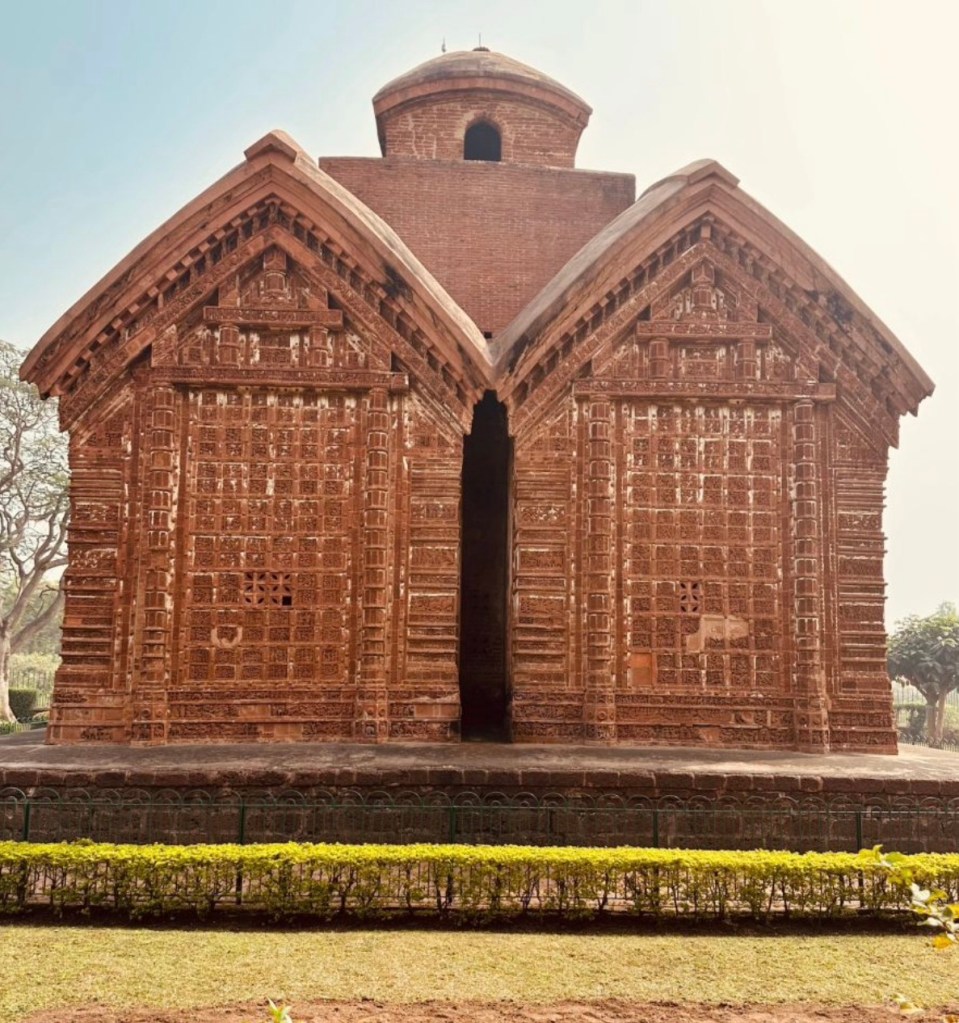
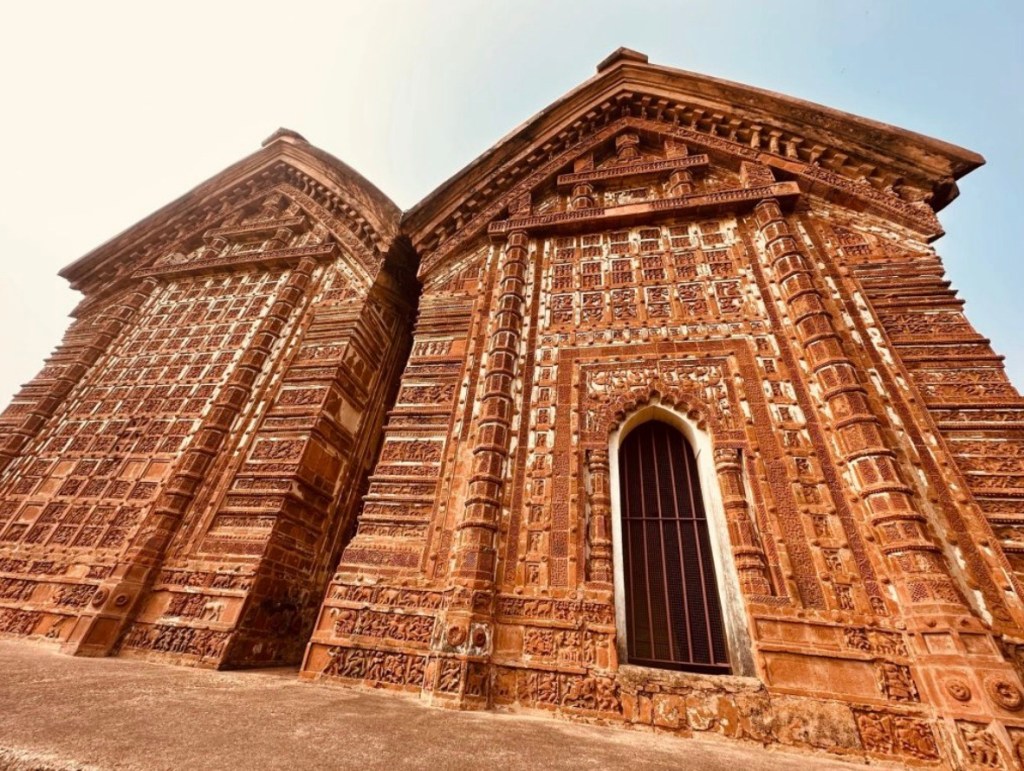
Undoubtedly, the most beautiful of the temples in Bishnupur encompassing all aspects of aesthetics, was Shyamrai Panch Ratna temple. The terracotta carvings in this temple were most intricate and elaborate. The temple had five towers called Ratnas which gave it a look of a Barbie’s castle. Another such example of Bengal architectural style with nine shikhars or Ratnas called ‘Nav Ratnas’ can be seen in Dakshinkali temple in Kolkata.
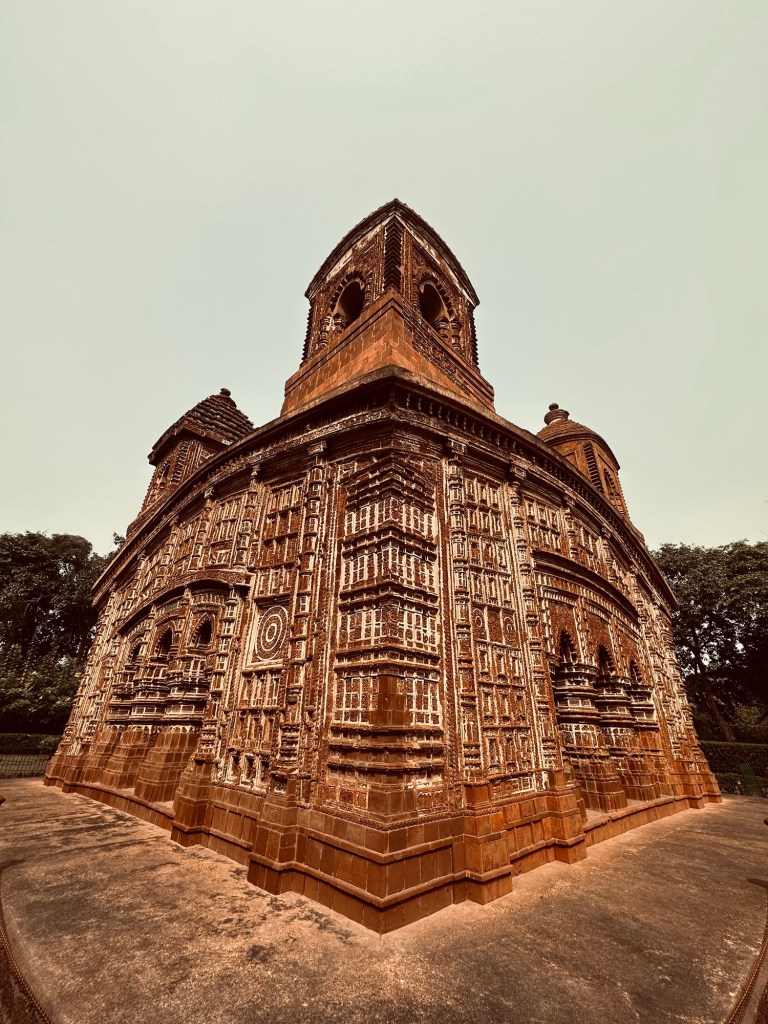
The temples in Bishnupur are known by various names of Radha and Krishna like Madan Mohan temple, Radheshyam temple, Nandlal temple, Radha Vinod temple, Kalachand, Madan Gopal, Murli Mohan, Radha Govind etc. idols are missing in most of them. It is believed that over a period of time, the idols were removed from these temples and transferred to smaller local temples of nearly villages. Now Archaeological Survey of India beautifully maintains these sites with lovely gardens around them. They all have been declared the ‘Monuments of National Importance’
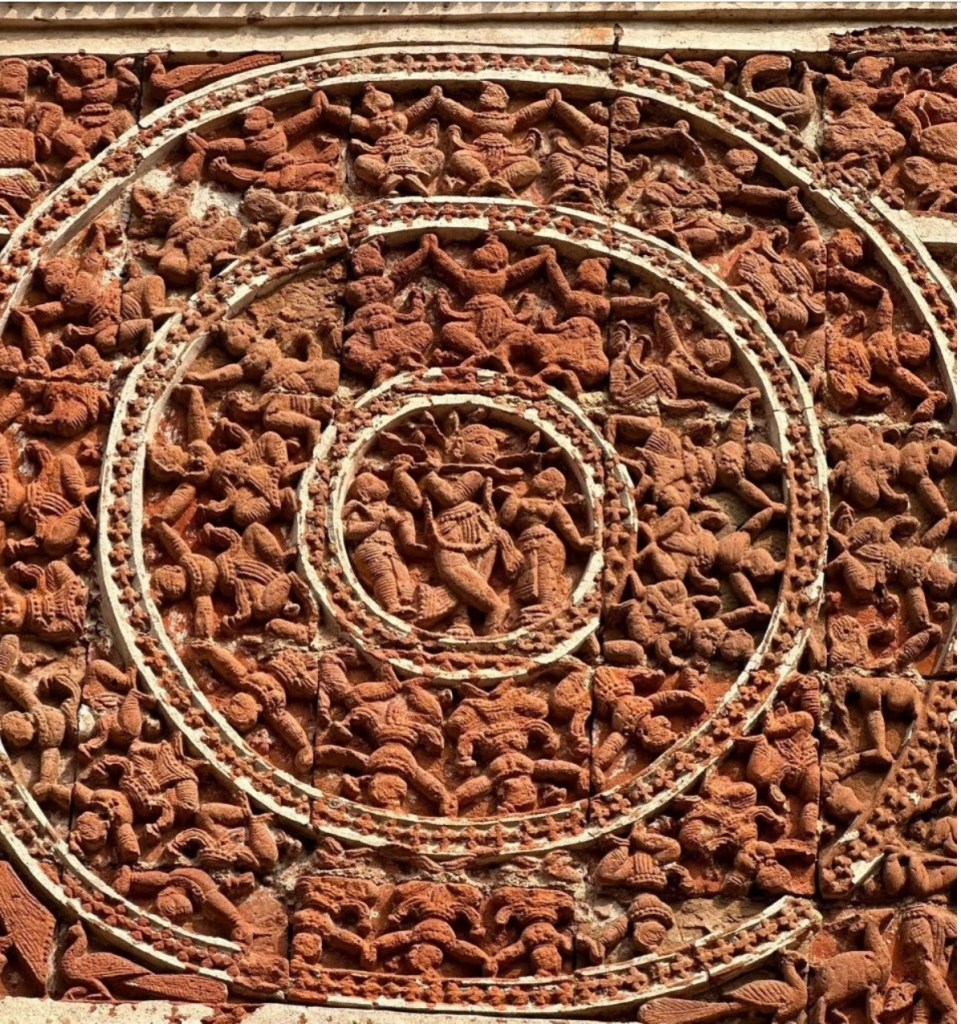
Every temple had four sections mandatorily, typical of a Vishnu temple in Hindu religion. The main temple with a sanctum, a Bhogkaksha (a place where community kitchen functioned), a large pillared hall right in front of the temple for bhajans and prayers and a designated place for holy tulsi (basil) plant.
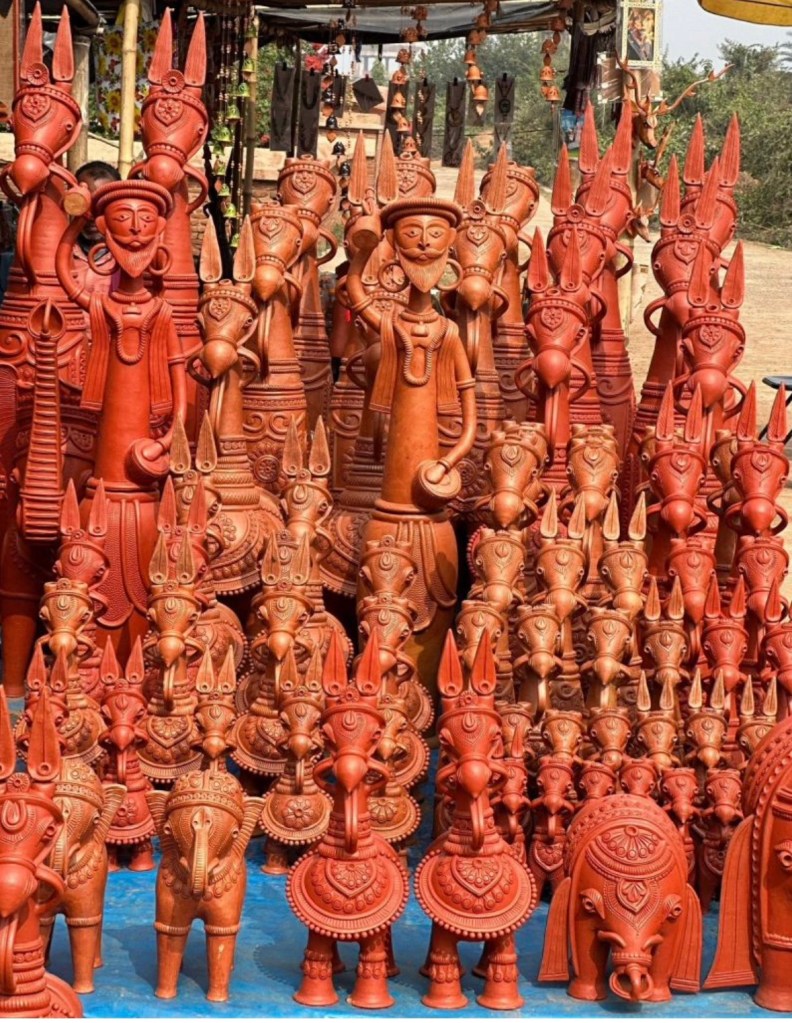
During our sojourn to this lovely place, we came across various shops selling world famous terracotta horses called Bankura horses. Apart from Bankura horses, a lot of other terracotta animal figurines, human figures, wind chimes, mugs, cups and saucers etc. could also be spotted in these roadside shops, a trademark of Bishnupur. I eagerly wished to carry a pair of horses with me but resisted the temptation. My house was already over stuffed and I feared I wouldn’t be able to find a dignified place for them.
To my surprise, I discovered that Bishnupur was famous for Bishnupur Music Gharana of Hindustani classical music for Dhrupad tradition.
The tale of Bishnupur would be incomplete if I fail to mention another temple village called ‘Maluti’ in Dumka district of Jharkhand, about 175 km away from Bishnupur. This small village calmly possesses more than 70 ancient terracotta temples bearing a stark architectural resemblance with Bishnupur Group of Temples. This village, tragically, hasn’t been able to claim its share of fame in the fraternity of conservators and travellers. Most of its temples are crumbling to dust with time and need immediate attention of the Government.
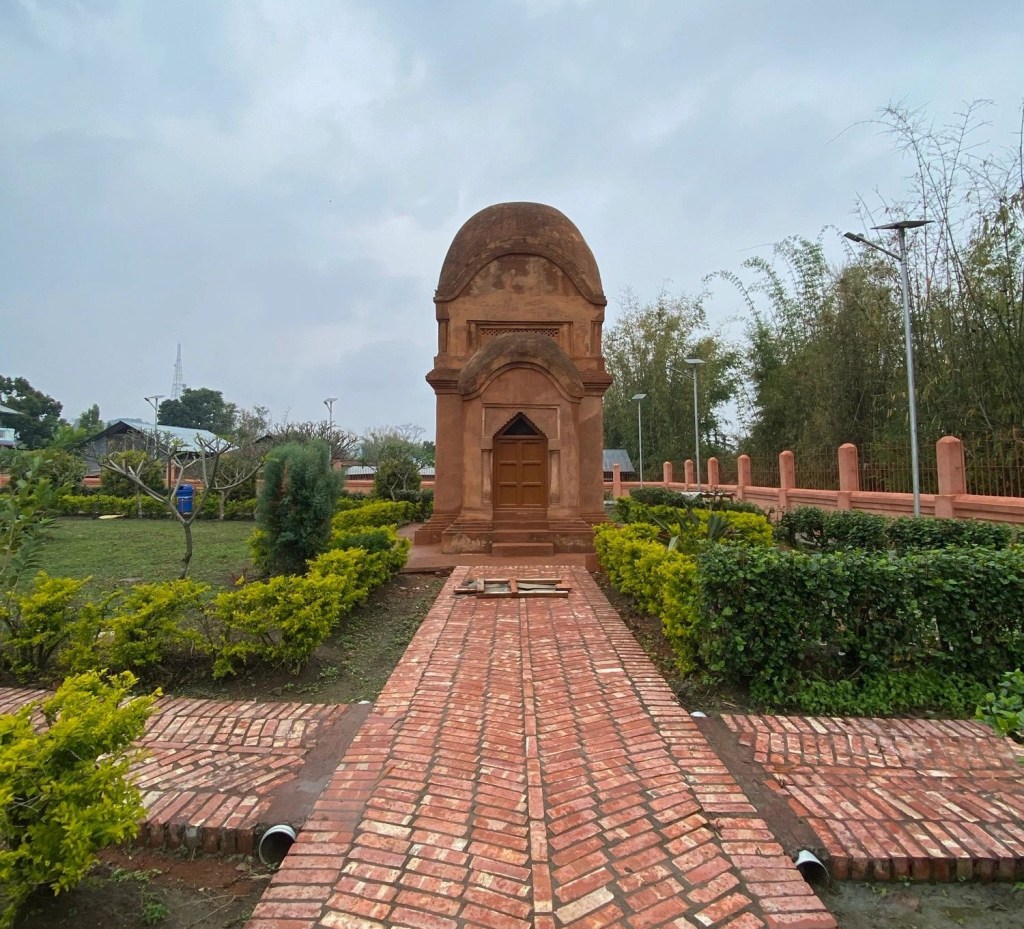
Bishnupur has a namesake in the state of Manipur which is often mistaken for the Bishnupur of Bengal. This small town of Bishnupur in Manipur has derived its name from a small Vishnu temple which was constructed in 15th century. At a distance of about 30 km from Imphal, this standalone brick temple is protected by the ASI and currently has no idol in the sanctum. Though, this temple doesn’t resemble much with terracotta temples of Bishnupur in Bengal, yet this little icon of Manipur looks very elegant and graceful and has been declared the heritage of national importance.
The vibrant town of Bishnupur in West Bengal, with its rich cultural and archaeological heritage, basks today in the glory of its past. This town once again confirmed my belief that even a peripatetic traveller should be ready for surprises. Bishnupur indeed is a hidden gem which awed me deeply with its simplicity, authenticity and charm.


 The Mishdi Chronicles
Leave a comment