The north eastern states of India are very rich in natural beauty and offer on a platter, an exquisite bouquet of landscapes, cultures, cuisines and social and religious diversity. Assam is one such state which is like the eldest sister in the sorority of seven sisters i.e. the seven north eastern states of India. Most of these states have been carved out from Assam either on linguistic or ethnic grounds.
I have traveled to Assam a couple of times and discovered various parts, from temples to tea gardens and national parks. I had my rendezvous with the one horned rhinos of Kaziranga National park and explored the interiors of Assam. I have been to Kamakhya Devi temple twice, which is a major seat of goddess in the country. It is believed by the locals that if someone visits Kamakhya Devi once, he or she would be called at least twice more in their lifetime by the Goddess. I am also eagerly waiting for my third trip to this sacred shrine. Out of all the experiences about Assam, the most remarkable one was my sojourn to Majuli island
The name Majuli sounds beautiful to the ears. Majuli means ‘the land between two parallel rivers’.
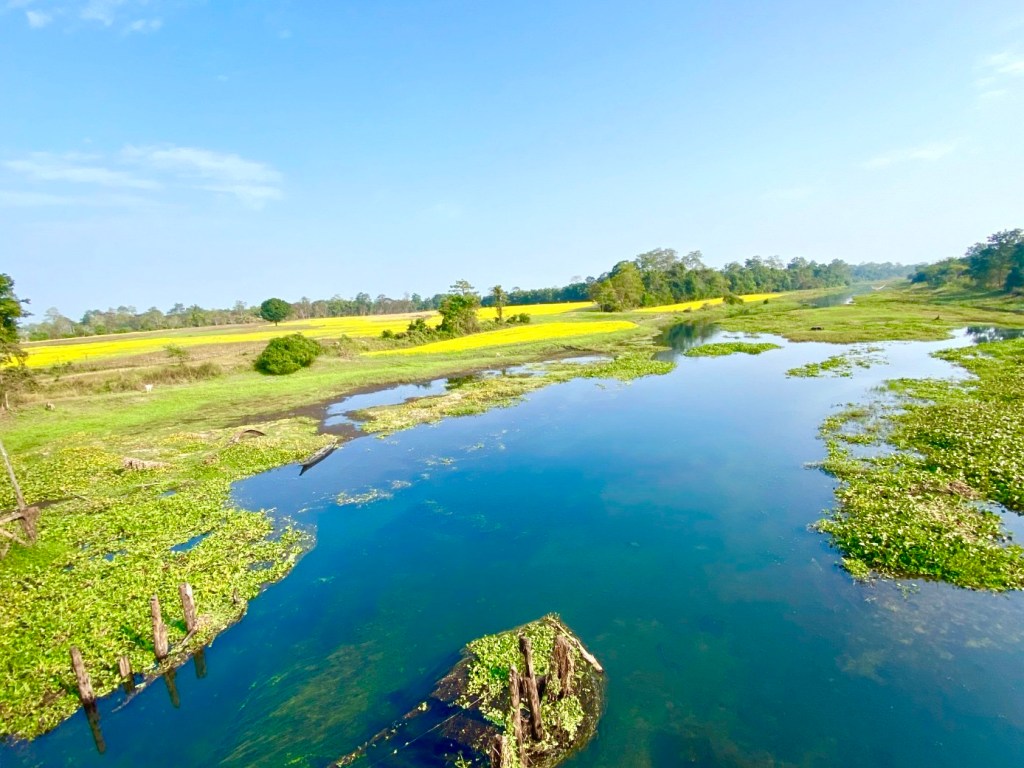
This pristine island is formed by the confluence of Brahmaputra and its anabranches. At some point in time, this was the biggest riverine island in India, however, over time the island has been shrinking rapidly due to the erosion caused by the rivers around it. In fact, there have been studies which indicate that island would soon disappear from the face of the earth and is sometimes referred to as a disappearing island.
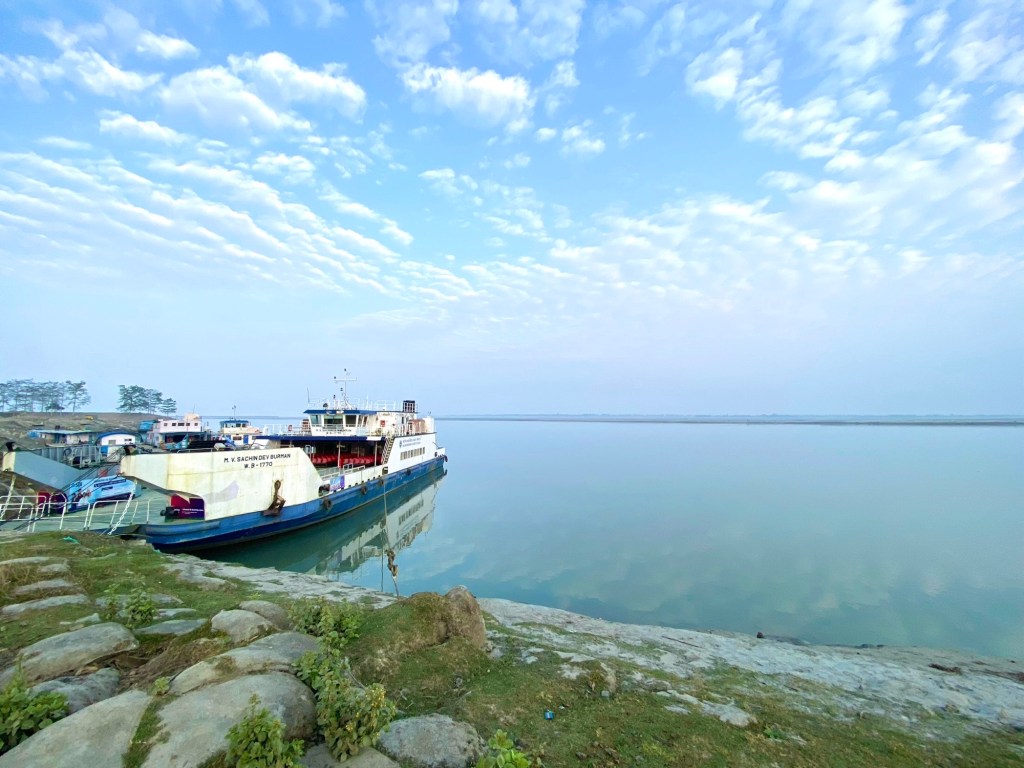
Majuli can be approached from Jorhat, a city in Assam, through a ferry and by a land route from Dibrugarh, another prominent city in the state. The ferry takes about one hour to reach Majuli island. It was a unique way of transporting humans along with their vehicles on the ferry. From a bicycle to a car, every mode of transport was loaded onto the ferry and shifted to the island. To me, it was a unique and enjoyable journey, never experienced before. People boarded the ferry along with their bikes and cars and most of the drivers kept sitting in the car only throughout the journey, instead of occupying the passenger seats.
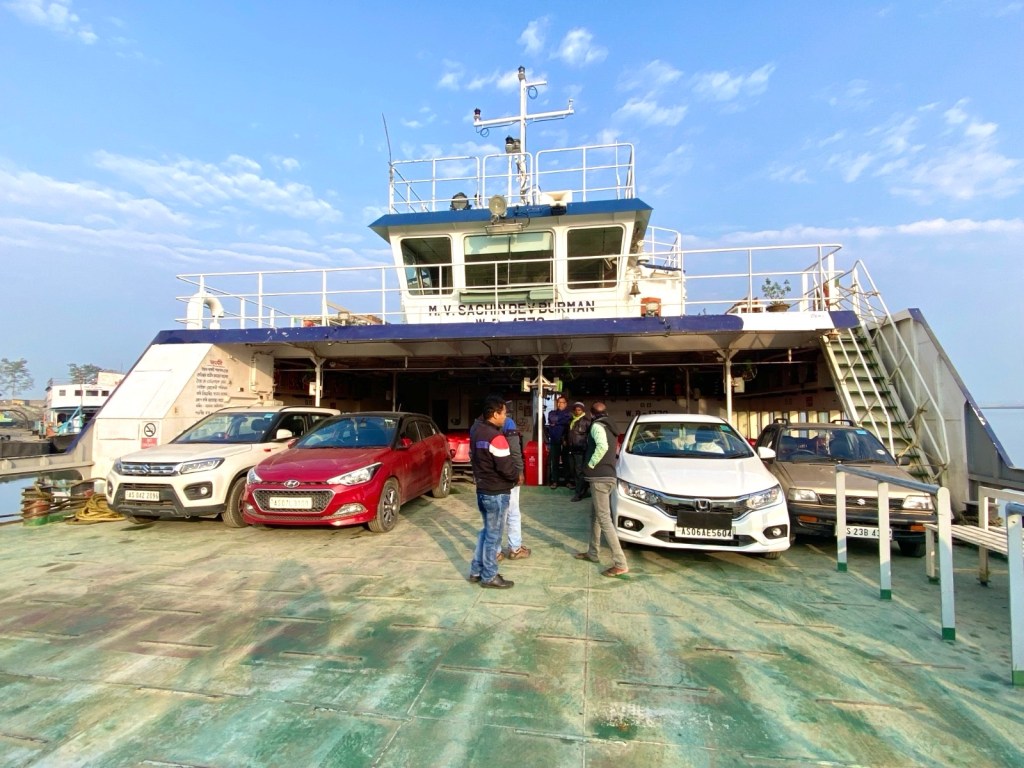
I took this ferry from Jorhat at 7 in the morning. It was a winter month and early morning hours were quite cold and foggy. The ferry point was at a distance of about 20 km from the main city of Jorhat and it took us about an hour to reach while driving through the dense fog. The ferry was a major mode of transport across the river and a lot of people along with their personal vehicles borded the ferry with us that day.
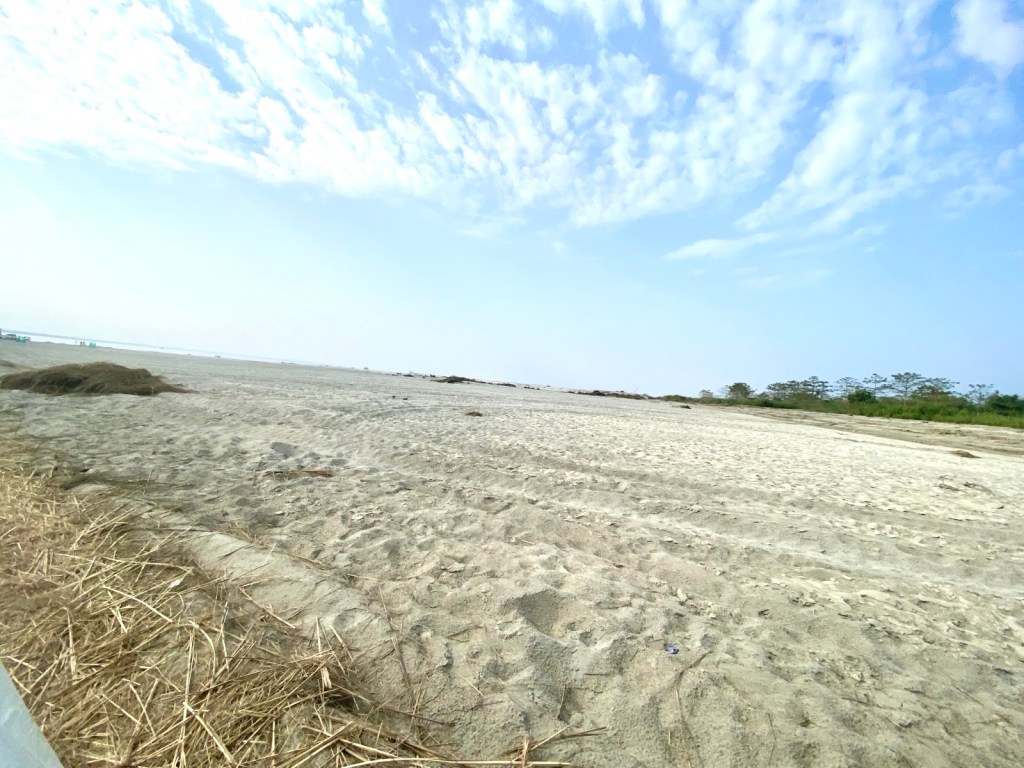
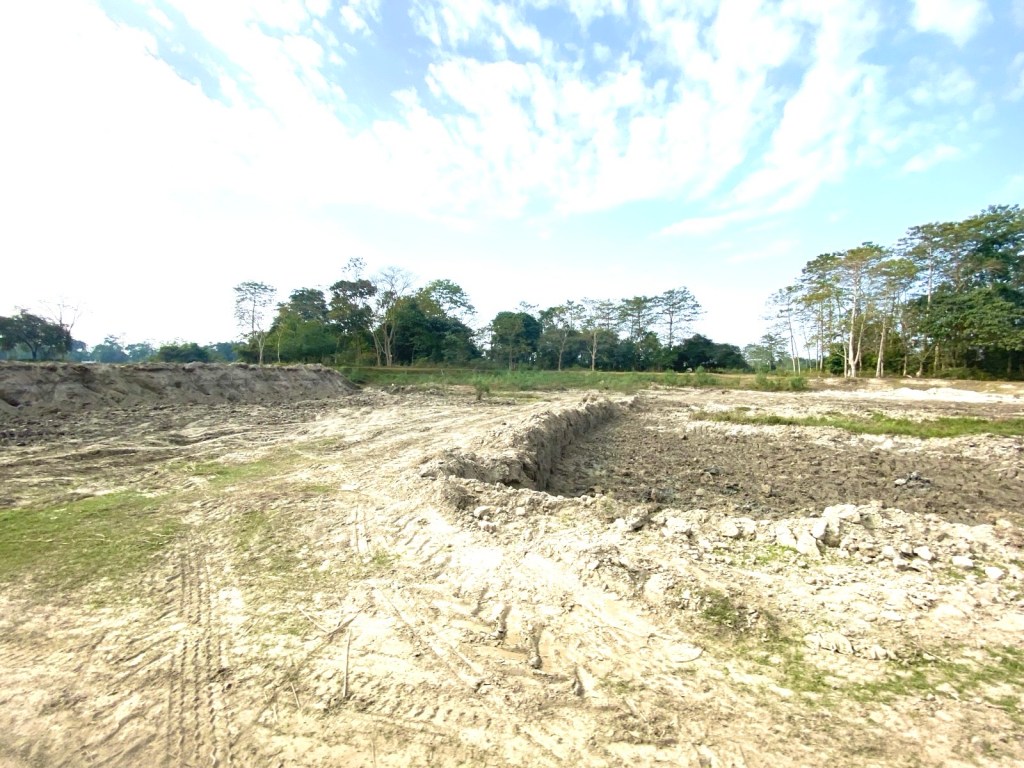
There was an abundance of nature in Majuli. The moment we de-boarded the ferry, we could see large patches of sandy shore with white sand scattered all over. There was no public transport visible at the drop point and the people resorted to their personal vehicles for commuting which they had loaded in the ferry.
Barely a few hundred meters away, we came across dense green patches with narrow roads meandering through them. On both sides were the farm lands, dense bamboo groves, orchards, small and big ponds, meadows and small houses. The fields were glimmering with the splash of yellow mustard flowers which were blooming in full swing. This was the most pristine landscape I had ever seen. The air was very clean and fresh with the aroma of diverse vegetation throughout the island.
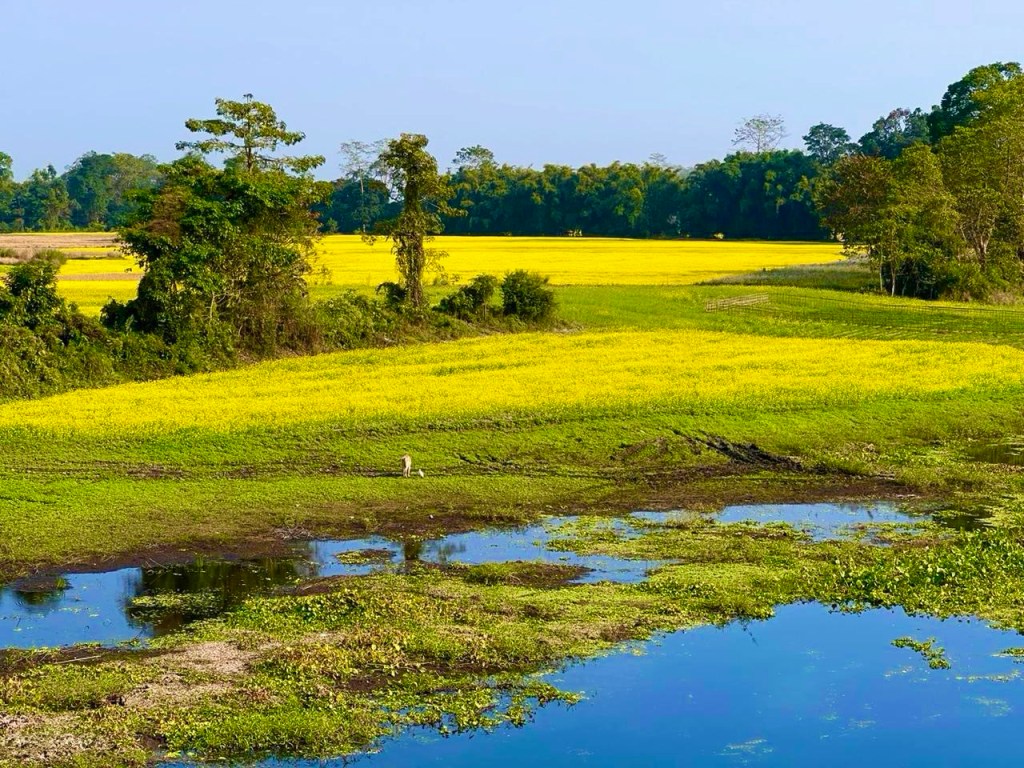
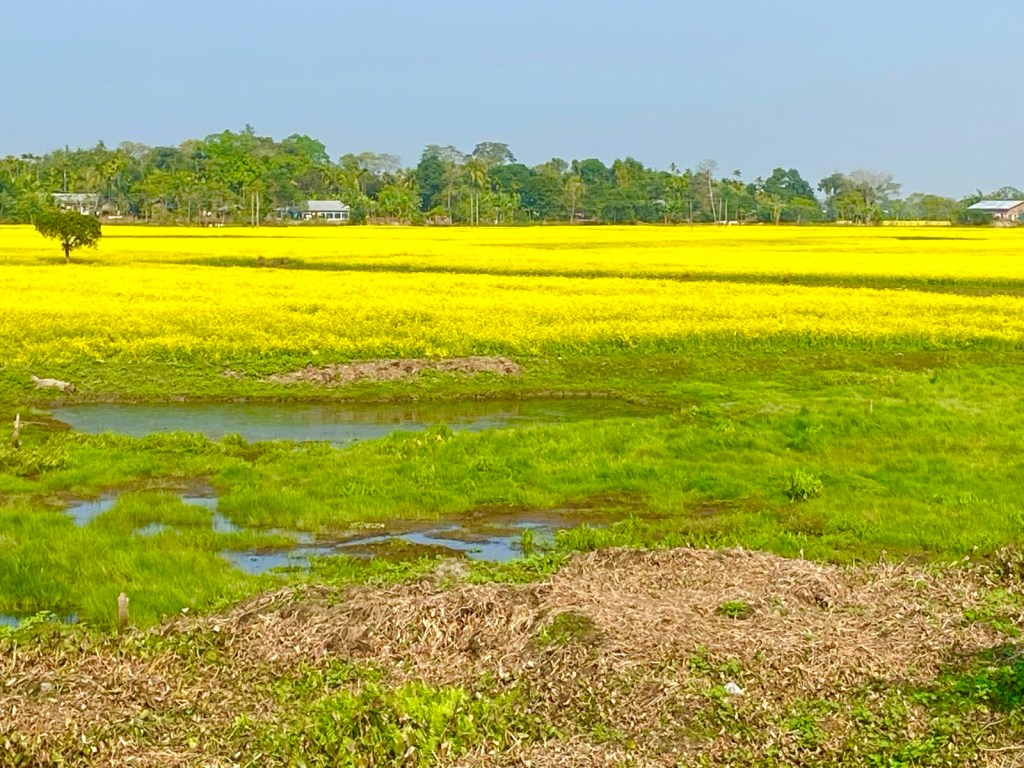
It was, however, quite disheartening to know that this productive land got flooded every year when Brahmaputra swelled up with water during the rains.
The people of Majuli, though, they go through a tough cycle of life and bear with the brunt of floods frequently, are in harmony with the nature and the ecosystem of the island. They maintain their balance with the environment and construct their shelters which are compatible with the flood conditions. The people of the island are not very rich but their connect with their roots overpowers the trauma they go through when they lose their houses and belongings in the floods.
Their houses are built on stills with bamboo and thatch and the walls are plastered with mud. Every household owns a small boat which helps them commute during the floods.
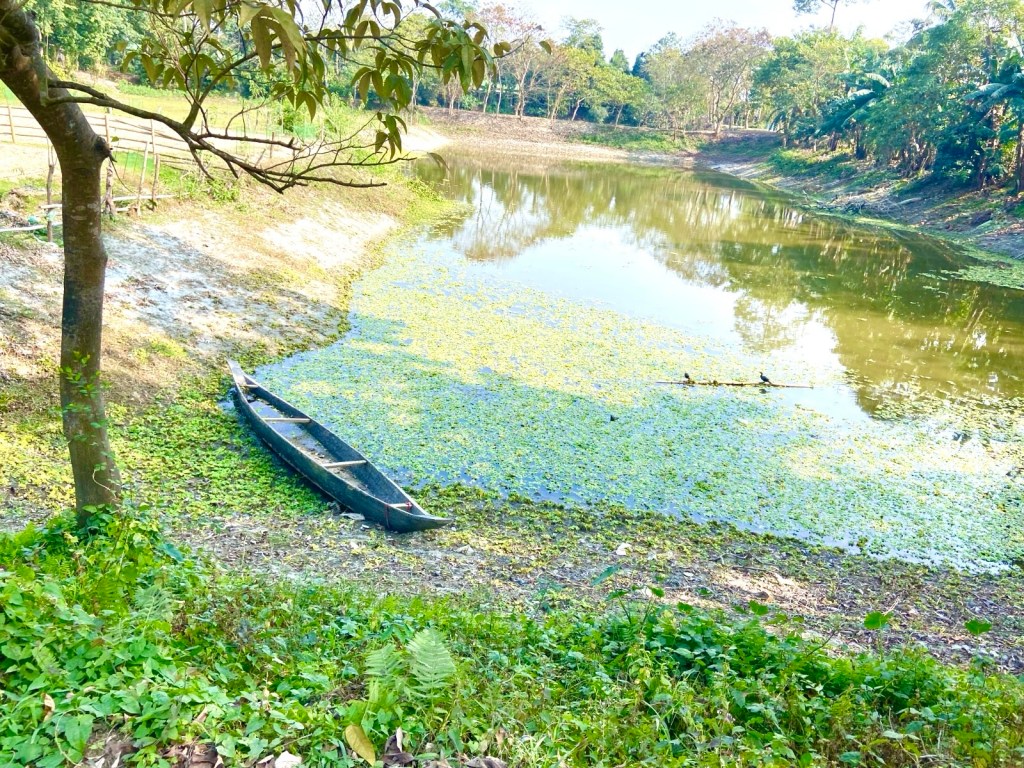
There is very meagre habitation in Majuli and a complete absence of urban intrusions like factories, vehicular pollution or rapid construction activity. Perhaps, the ecosystem of Majuli has saved this beautiful island from being swallowed up by the demons of urbanisation. There are schools, colleges and medical facilities and the people generally appear happy in their little niche.
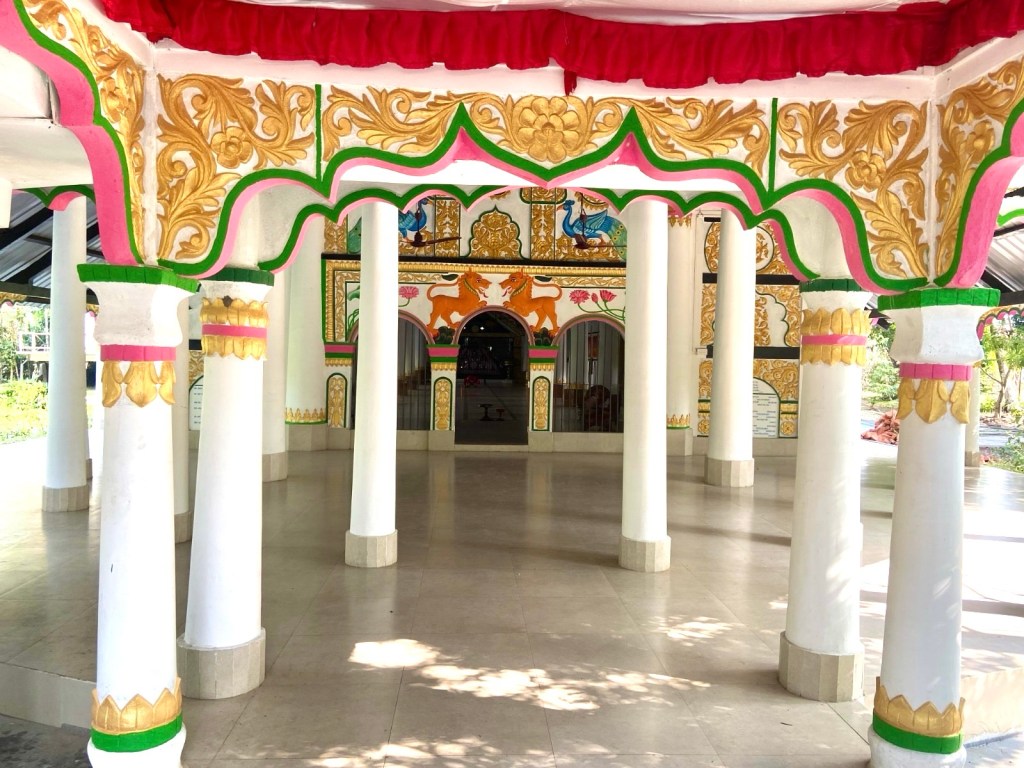
The island is inhabited by the members of Mising, Deori and Sonowal Kachari tribes of Assam and is a centre of Assamese neo- Vaishnavite culture. Some of these tribes migrated to Assam from Arunachal Pradesh many years ago. This neo-Vaishnavite sect was founded in 15th century by the Assamese saint Srimant Sankaradeva and his disciple Madhavdeva. The temples established under this order are known as ‘satras’ in Majuli. At present, there are about 65 satras on the island propagating the ethics and socio-cultural ideas of this sect.

The satras consist of a large prayer hall facing a simple shrine, surrounded by dormitories and bathing tanks for the monks. This sect worshiped Vishnu and Krishna, however, I found the sanctum of the satra quite different from that of other Hindu temples in India.
The main idol used to be in a corner of the sanctum and the ritualistic practices would be performed in the centre with lots of diyas. The monks of this sect stay in the satra and practice rituals. I found some stark similarities between the satras and Buddhist monasteries, especially the way these monks followed a stringent ritualistic routine.
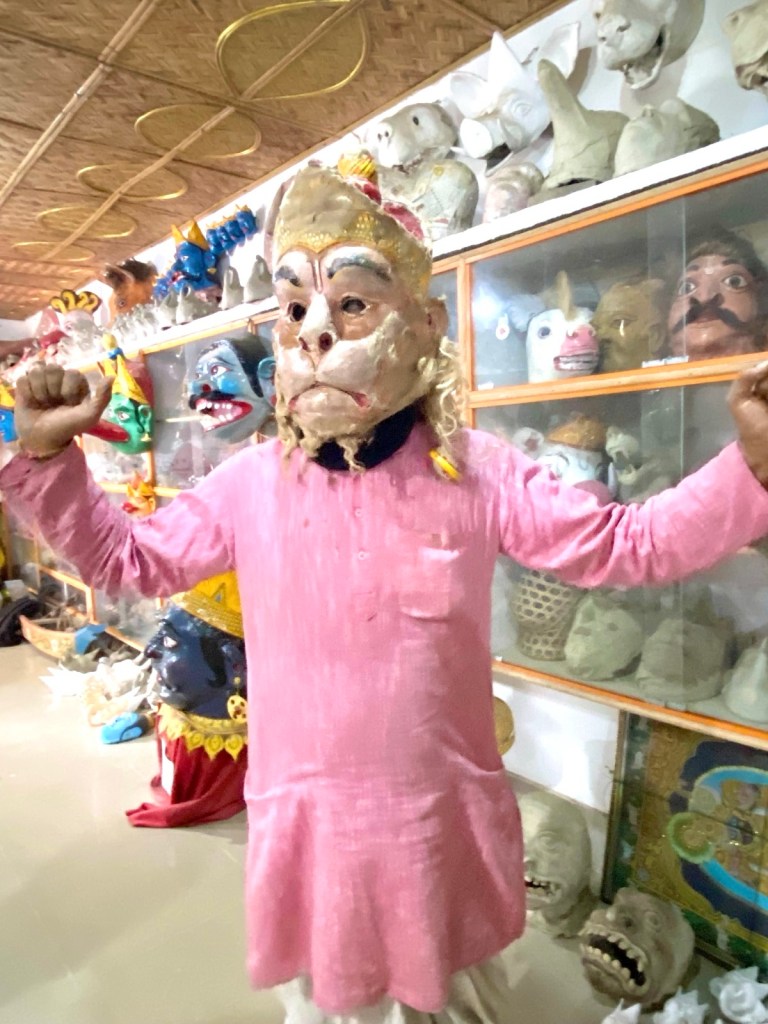
Majuli is also known for its world famous art of mask-making. Outside one of the satras, I discovered a mask workshop. This little place had a medley of masks, ranging from life-size figurines to the smaller faces of the deities. I met a gentleman here who had organised a number of mask-making workshops for the people of Majuli and those from outside interested in this art. He gave me some deeper insights into this form of art and informed about his national and international theatrical performances, using the masks made in his workshop.
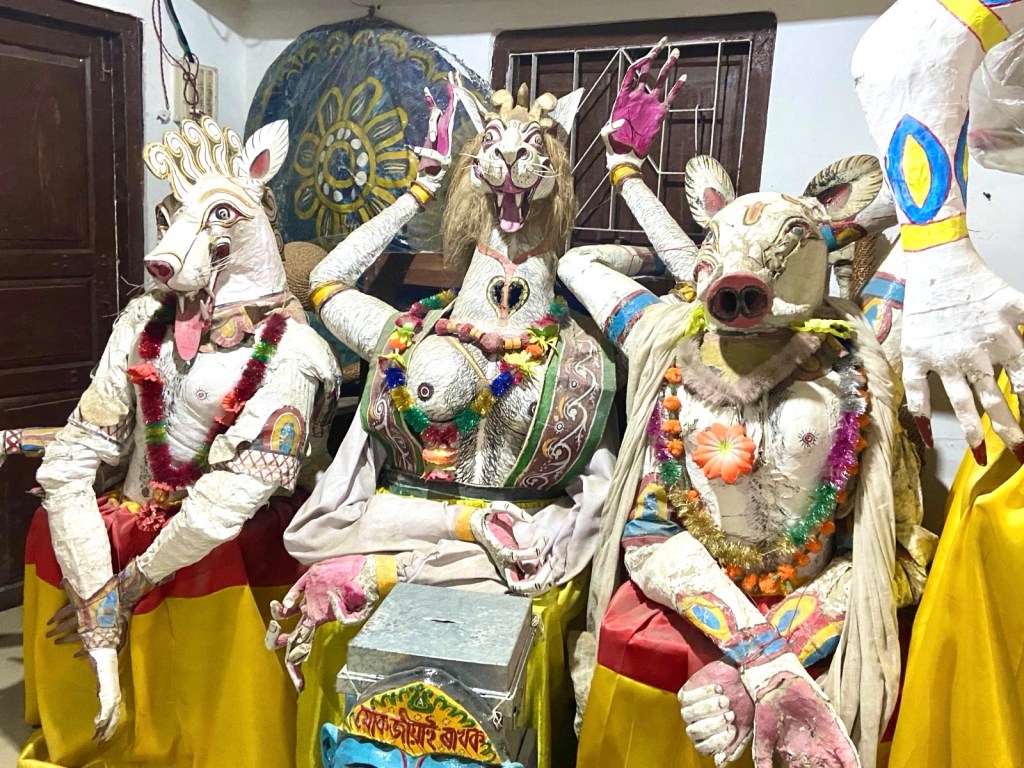
These handmade masks are traditionally used to depict mythological and fictional characters in theatre performances under the neo-Vaishnavite tradition of the island. Today, Majuli carefully protects its ancient art from and showcases them gracefully at the world stage.
My long cherished dream came true with my visit to this unique island, which not only mesmerised me with its abundant nature, but also left me in awe with the way it has learnt to live with Mother Nature. The people of Majuli are in perfect sync with the nature and have adjusted seamlessly with the changing winds. They have endeavoured to protect their surrounding by not allowing unplanned and reckless construction activities and the intrusion of the urban mafia. The annual fury of Brahmaputra has also played a critical role in saving this island. I only wish and pray that the island continues to safeguard itself from the unnatural forces which work in tandem with only vested interest.


 The Mishdi Chronicles
Leave a reply to Anonymous Cancel reply